

Intramuscular stimulation (IMS) is a minimally invasive technique that can reduce pain aggravated by chronic muscle tightness. This technique uses insertions of small needles to release muscle tension, which is often associated with nerve pain.
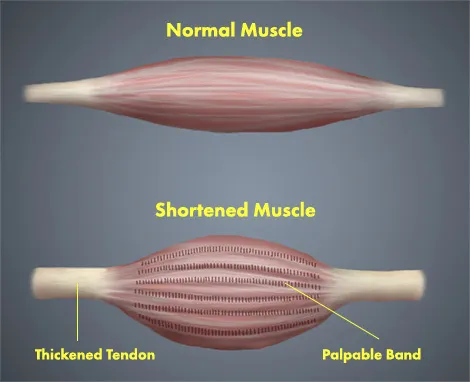
Nerves and muscles work together to help your body move normally. When nerves become irritated or damaged, the muscles they control can become weak, shortened and painful. This condition is known as neuromyofascial pain.
IMS involves inserting tiny needles into the muscles most affected by the nerve problem. When the chemical relationship between nerves and muscles is altered by injury, muscle pain and weakness can result.
IMS allows painful muscle knots or “bands” to be broken up, which begins the healing process.
The longer term benefit comes from creating a tiny injury in the muscle. As the treated area heals, it releases repair factors to re-create a normal relationship between muscle and nerve.
This technique was pioneered by Dr. Chan Gunn, who founded the Institute for the Study and Treatment of Pain (ISTOP) in Vancouver BC and who has been distinguished clinical faculty at the University of Washington for several years.
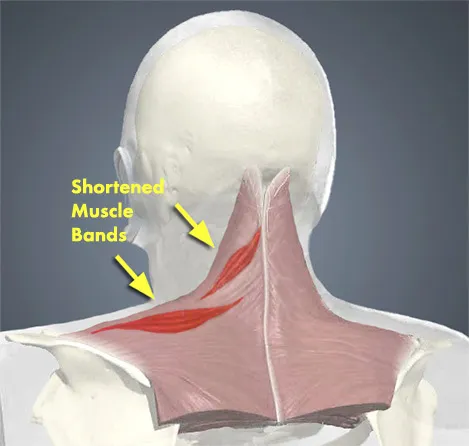
When the IMS needle is inserted into a chronically tightened muscle, you may feel a cramping or achy sensation, which usually subsides after several seconds. Then the muscle is in a lengthened resting state and may become less painful and often stronger. The muscle may continue to lengthen even after the procedure has been performed.
You may feel immediate relief, or you may be sore for a few days around the area of treatment. This is usually followed by less pain, better movement, and improvement in function.
The average number of visits needed for significant improvement ranges from 4-10, spaced initially 1-2 weeks apart. If you are not benefiting from IMS within 1-3 sessions, we generally discontinue treatment.
The procedure takes approximately 20-30 minutes to perform. After the procedure, you may remain at the clinic another 5-10 minutes.
Increased soreness after the procedure is not uncommon, and this usually subsides within a few days. A few patients may be lightheaded after the procedure, treatable with rest and cool compresses for about 15 minutes.
There is an extremely unlikely possibility of excessive bleeding, significant nerve injury, and infection, none of which have been encountered within our clinic.
In our experience, IMS is one of the most effective “low-tech” treatments for chronic pain. It is best if IMS is combined with other treatment modalities such as spinal manipulation, soft tissue mobilization, and/or therapeutic exercise.